
Drainage Systems That Prevent Water Accumulation
Storm Drain Maintenance in Chillicothe for parking lots and commercial properties experiencing water buildup
Chillicothe properties face seasonal rain events and spring snowmelt that overwhelm drainage systems clogged with debris, sediment, and organic material that accumulates in catch basins and inlet grates throughout the year. Storm drain maintenance from Solid Rock Sealcoating & Asphalt Maintenance LLC addresses this buildup before water backs onto pavement surfaces and ponds in low areas where it accelerates asphalt deterioration. Commercial and parking lot applications require functional drainage because standing water damages pavement structure, creates liability hazards, and degrades the customer experience when vehicles must navigate flooded sections during or after storms.
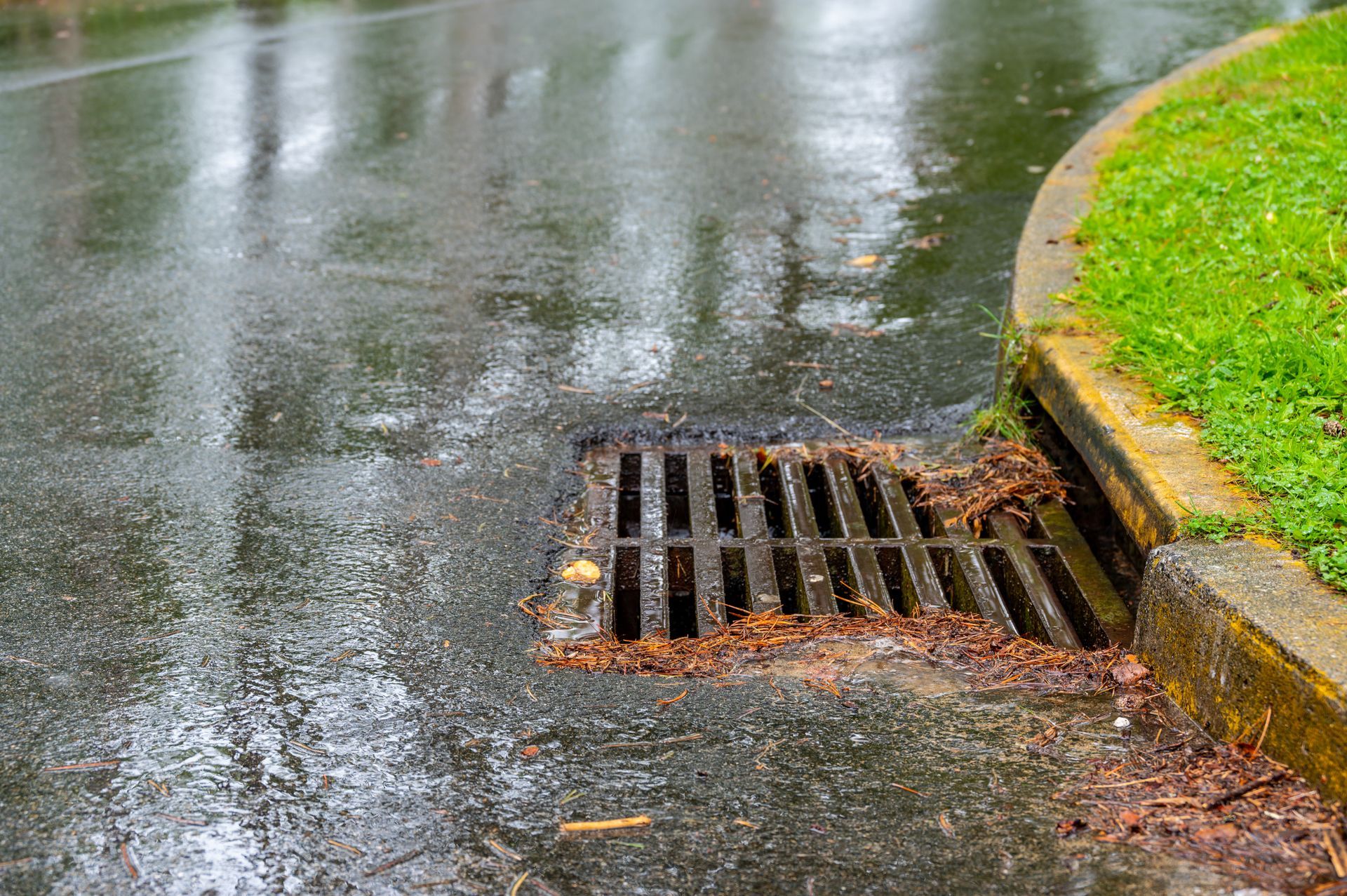
Drainage area upkeep involves removing leaves, sediment, trash, and other debris from storm drain grates, catch basins, and inlet structures so water flows freely into underground pipes during precipitation events. The work includes inspecting drain openings for damage or displacement that reduces capacity, clearing visible blockages, and checking that water drains completely rather than lingering in shallow pools that indicate partial obstruction or inadequate slope.
Request a drainage system inspection to identify which catch basins show signs of blockage or capacity reduction.
What Proper Drainage Maintenance Accomplishes
Storm drain systems function only when inlets remain clear and catch basins retain enough capacity to handle peak flow during heavy rain, which means routine maintenance prevents the gradual capacity loss that occurs as sediment accumulates season after season. Properties surrounded by landscaping or located near trees experience faster debris accumulation because leaves, mulch, and soil wash into drains during every storm, reducing the effective opening size and slowing water intake until the system backs up entirely during intense rainfall.
After maintenance is completed, water disappears from pavement surfaces within minutes of a rain event rather than pooling in depressions or spreading across travel lanes. You notice that storm drains no longer overflow onto sidewalks or landscaped areas during moderate rainfall, and the standing water that previously lingered for hours after storms drains away as designed. Pavement dries faster, which reduces the freeze-thaw damage that occurs when water sits on surfaces overnight and temperatures drop below freezing.
This service addresses blockages and debris accumulation but does not repair broken pipes, collapsed catch basins, or inadequate system capacity that results from undersized drainage infrastructure. Properties with chronic flooding may need pipe inspection or capacity upgrades rather than routine cleaning if the system cannot handle typical storm volumes even when clear of debris.
Answers to Frequent Drainage Questions
Storm drain performance depends on system design, debris load, and maintenance frequency, so understanding these variables helps property managers plan for seasonal needs and recognize when professional service is required.
How often should commercial storm drains be maintained?
High-traffic parking lots with surrounding landscaping typically need quarterly cleaning to stay ahead of debris accumulation, while properties with less vegetation may extend maintenance to twice yearly depending on observed drainage performance.
What causes storm drains to fail during heavy rain?
Debris blocks the grate or inlet opening so water cannot enter fast enough during peak flow, or sediment fills the catch basin below the grate and reduces storage capacity so the system backs up even though the opening appears clear.
Why does water still pool after drains are cleaned?
Pavement settlement creates low spots that hold water below the drain inlet elevation, or the drain system lacks adequate capacity for the pavement area it serves, which means water accumulates faster than the system can remove it even when functioning properly.
What debris accumulates most in Chillicothe drainage systems?
Fall leaves and spring pollen create the heaviest seasonal loads, but year-round accumulation includes dirt tracked from landscaping, litter from parking areas, and sediment washed from pavement surfaces during rain events.
When should drainage maintenance be scheduled?
Late fall after leaf drop and early spring before heavy rain seasons provide the most benefit, though properties with chronic debris issues may need additional mid-season cleaning to maintain capacity through summer storms.
Solid Rock Sealcoating & Asphalt Maintenance LLC provides storm drain maintenance and drainage area upkeep for commercial properties where functional water management protects pavement investments and maintains safe site conditions. Schedule seasonal maintenance to address debris buildup before capacity loss leads to surface flooding and pavement damage.