
Pavement Repairs That Restore Surface Integrity
Pothole Repair in Chillicothe for driveways and parking lots with damaged asphalt and failing surface sections
Potholes form when water infiltrates beneath the asphalt surface and erodes the base material, creating voids that collapse under traffic weight and leave craters that grow larger with each vehicle pass. Solid Rock Sealcoating & Asphalt Maintenance LLC provides pothole filling and repair in Chillicothe to restore damaged asphalt before the deterioration spreads laterally and compromises surrounding pavement. You see this problem after heavy rain events, freeze-thaw cycles, or in areas where previous crack filling was skipped and water gradually undermined the base layer over multiple seasons.
The repair process removes loose asphalt and deteriorated base material from the pothole, cleans out debris and standing water, applies new aggregate if the void extends deep, and fills the cavity with hot or cold-patch asphalt that's compacted to match the surrounding surface grade. Parking lot repairs and driveway repairs address these failures at different scales, but both require proper compaction to prevent the patch from settling and creating a depression that collects water and fails again within months.
Arrange an on-site assessment to evaluate pothole depth and determine whether base repair is needed before surface patching.
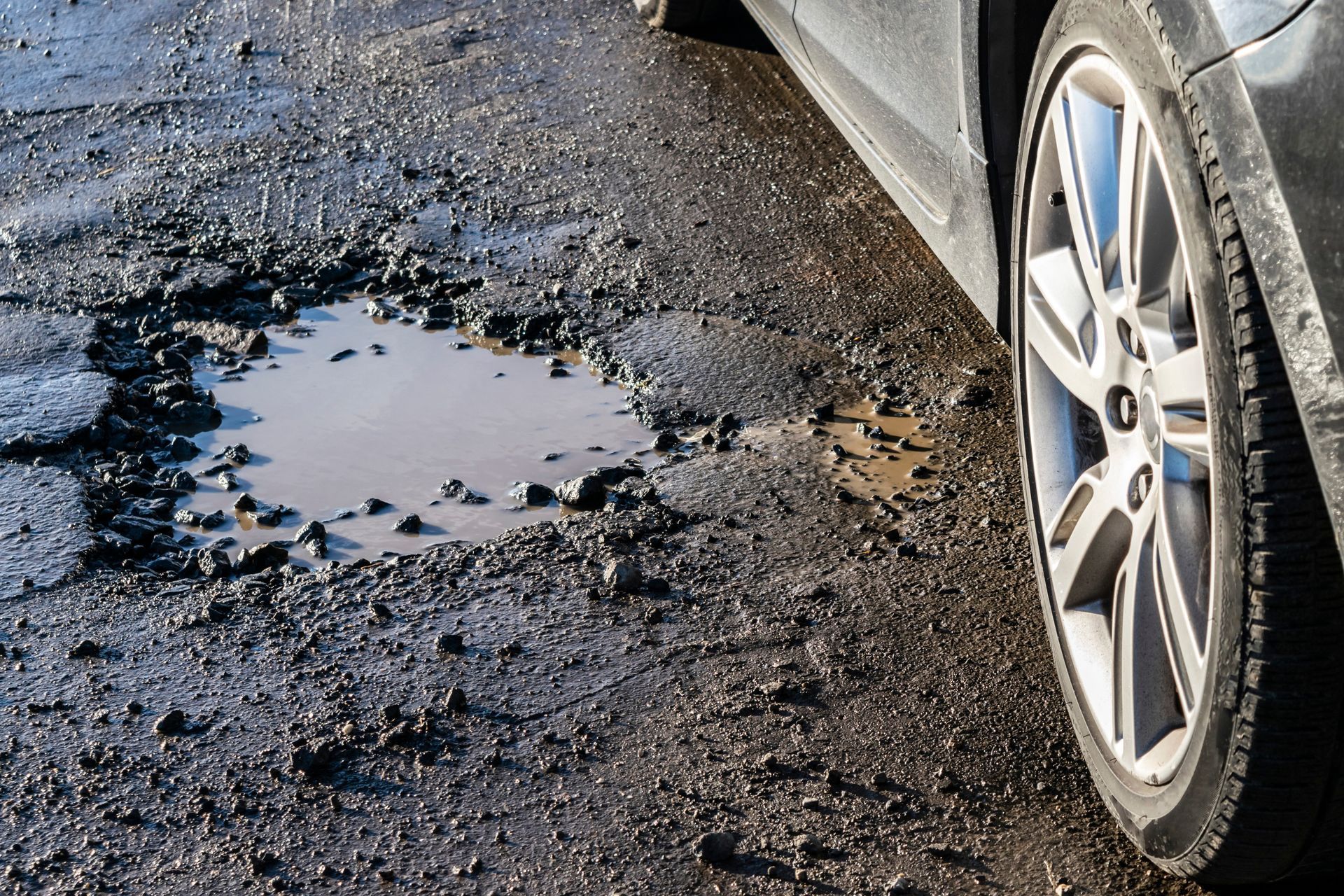
How Pothole Repair Addresses Base Failure
Proper pothole repair involves more than filling the hole with asphalt, because the cavity exists due to base failure that must be corrected for the patch to hold. The damaged asphalt restoration process evaluates whether the underlying aggregate remains stable or needs replacement, since patching over a compromised base produces a repair that settles unevenly and cracks within the first season. Cold-patch material works for temporary fixes or low-traffic areas, while hot-mix asphalt provides a permanent repair that bonds to existing pavement and withstands repeated vehicle loading.
Once repairs are finished, you notice the surface sits level with surrounding pavement rather than forming a depression or raised patch that disrupts drainage and vehicle travel. Water flows across the repaired section instead of pooling in the cavity where it previously accelerated deterioration. The restored pavement handles traffic without flexing or cracking around patch edges, which indicates that the base layer beneath provides adequate support.
This service addresses existing potholes but does not prevent new ones from forming in areas with ongoing drainage problems, inadequate pavement thickness, or subgrade instability. Properties with chronic pothole development may need drainage improvements or base reconstruction rather than repeated patching that treats symptoms without resolving underlying structural issues.
Common Questions About Asphalt Pothole Repair
Repair methods and materials vary based on pothole size, traffic exposure, and whether the failure resulted from surface deterioration or deeper base problems, so understanding these factors helps clarify what the work involves.
What causes potholes to form in Chillicothe driveways?
Winter freeze-thaw cycles cause water beneath the asphalt to expand and contract repeatedly, which breaks apart the base material and creates voids that collapse under vehicle weight once temperatures warm and the ground softens.
How deep does pothole repair need to go?
Repairs extend to stable base material, which may be two inches deep for surface failures or eight inches or more when the aggregate base has eroded and needs replacement before patching can hold.
When should potholes be repaired rather than patched temporarily?
Permanent repair makes sense once weather stabilizes in spring or early fall, because hot-mix asphalt requires moderate temperatures to bond properly, while temporary cold-patch material serves as a stopgap during winter when conditions prevent permanent work.
What is the difference between cold-patch and hot-mix repairs?
Cold-patch asphalt applies quickly in any weather but remains softer and more prone to displacement under traffic, while hot-mix asphalt cures into a durable surface that matches the strength and longevity of surrounding pavement.
How long does a properly repaired pothole last?
Hot-mix repairs last as long as the surrounding pavement when installed over stable base material, though areas with drainage issues or heavy truck traffic may develop new potholes nearby if those underlying conditions remain unaddressed.
Solid Rock Sealcoating & Asphalt Maintenance LLC handles pothole repair for residential and commercial properties where damaged asphalt threatens vehicle access and accelerates adjacent pavement deterioration. Contact the team at (740) 464-7938 to schedule repair work based on current pavement conditions and traffic requirements.